
Laser Level Grading 101:
Why Your Patio Should Never Hold Water
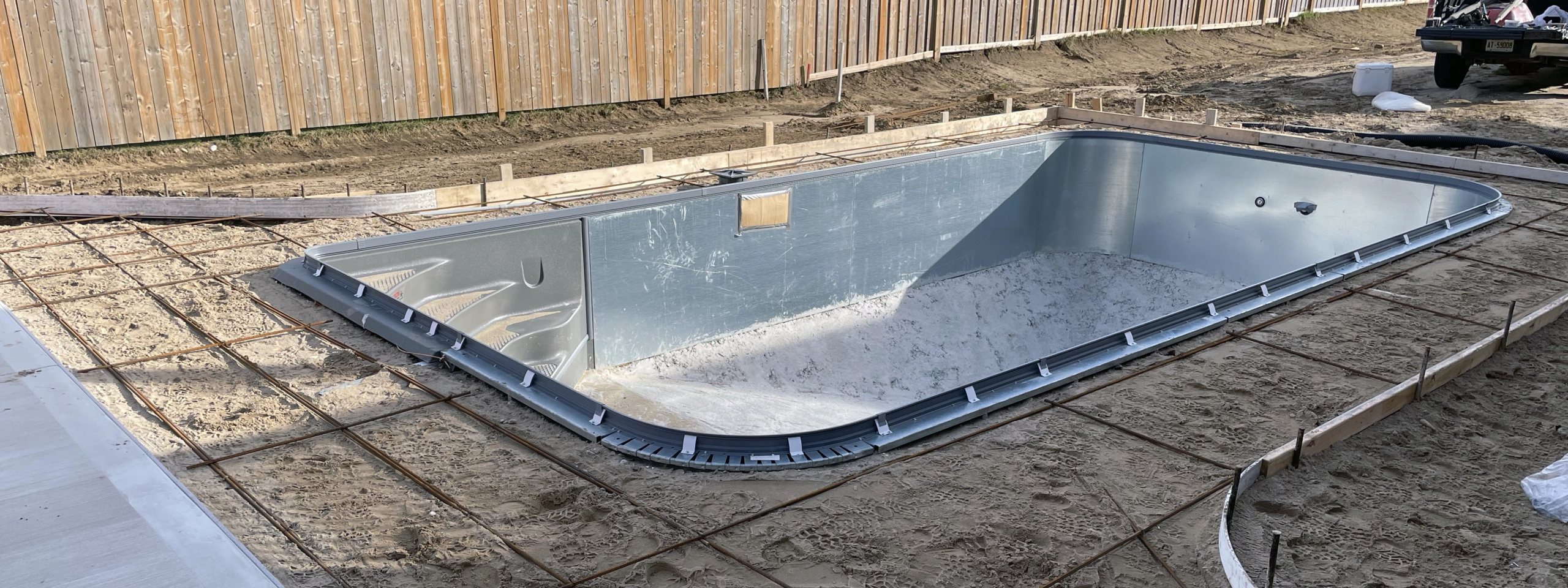
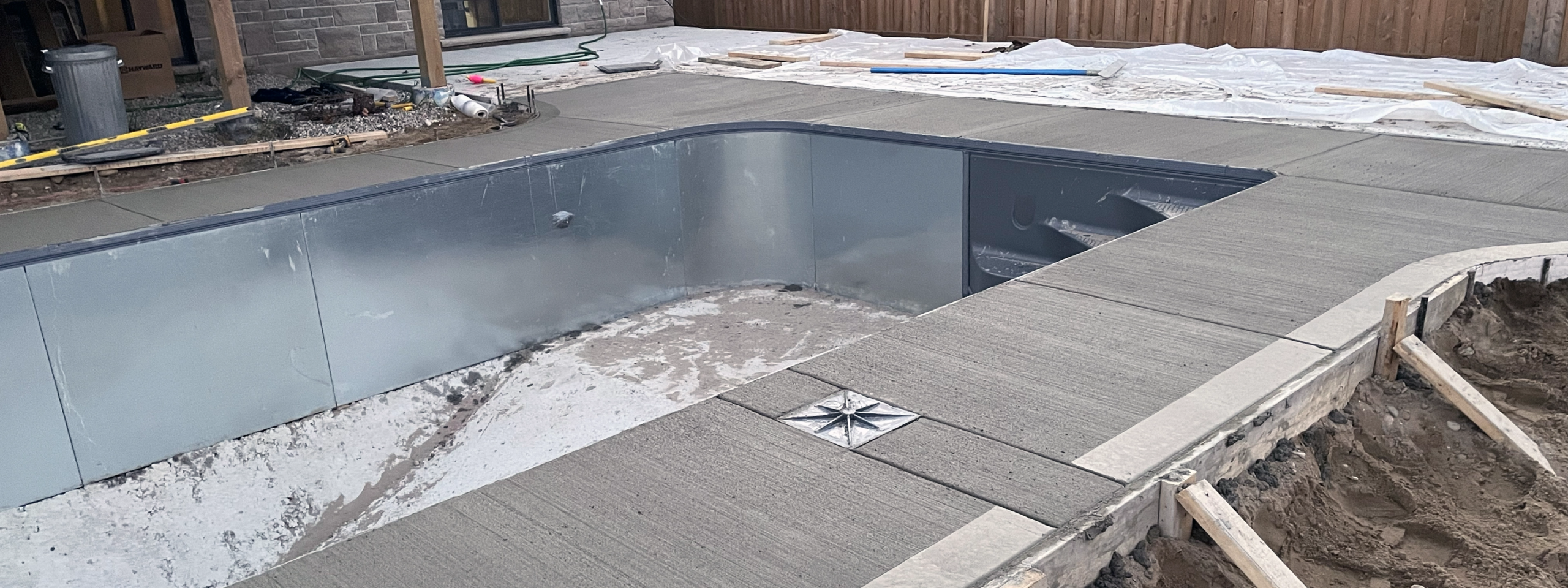
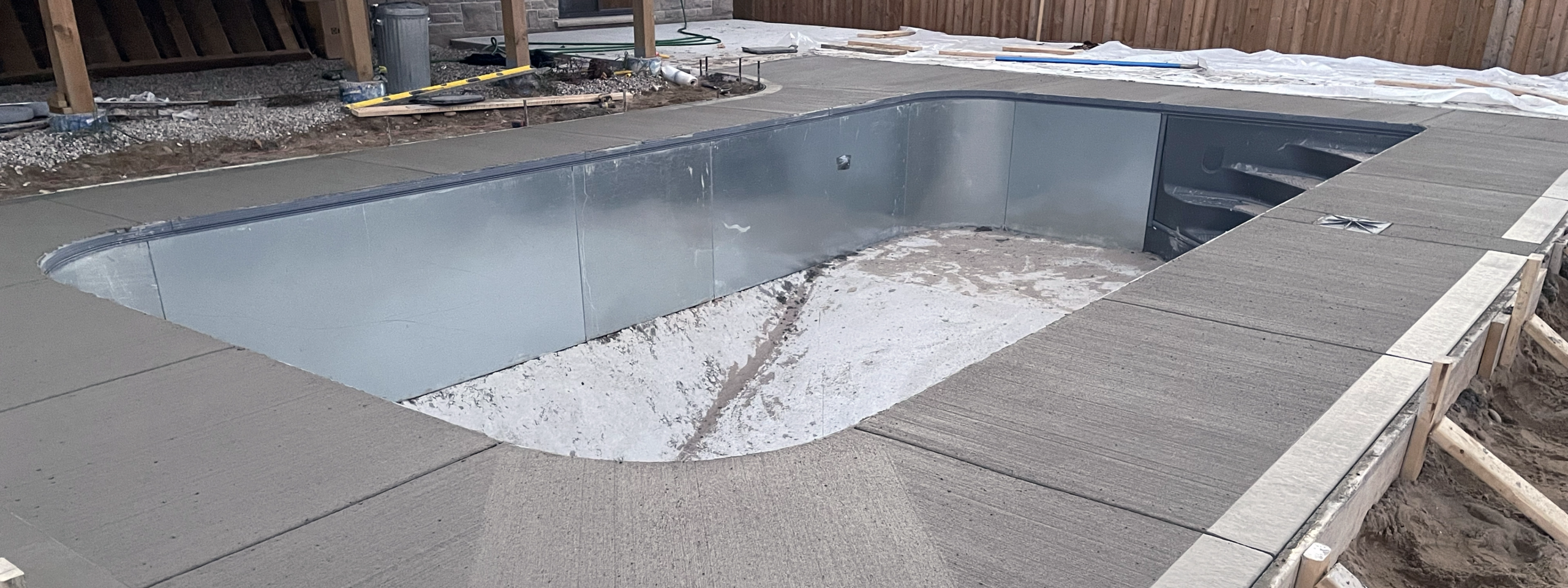
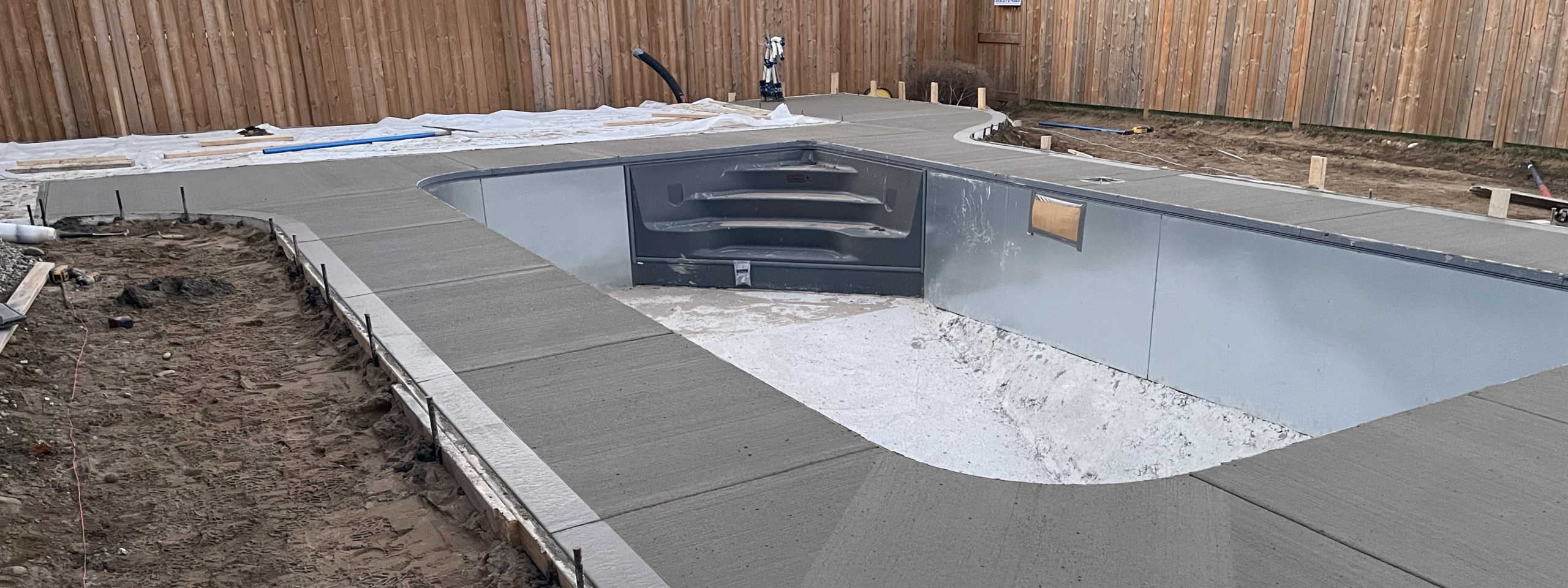
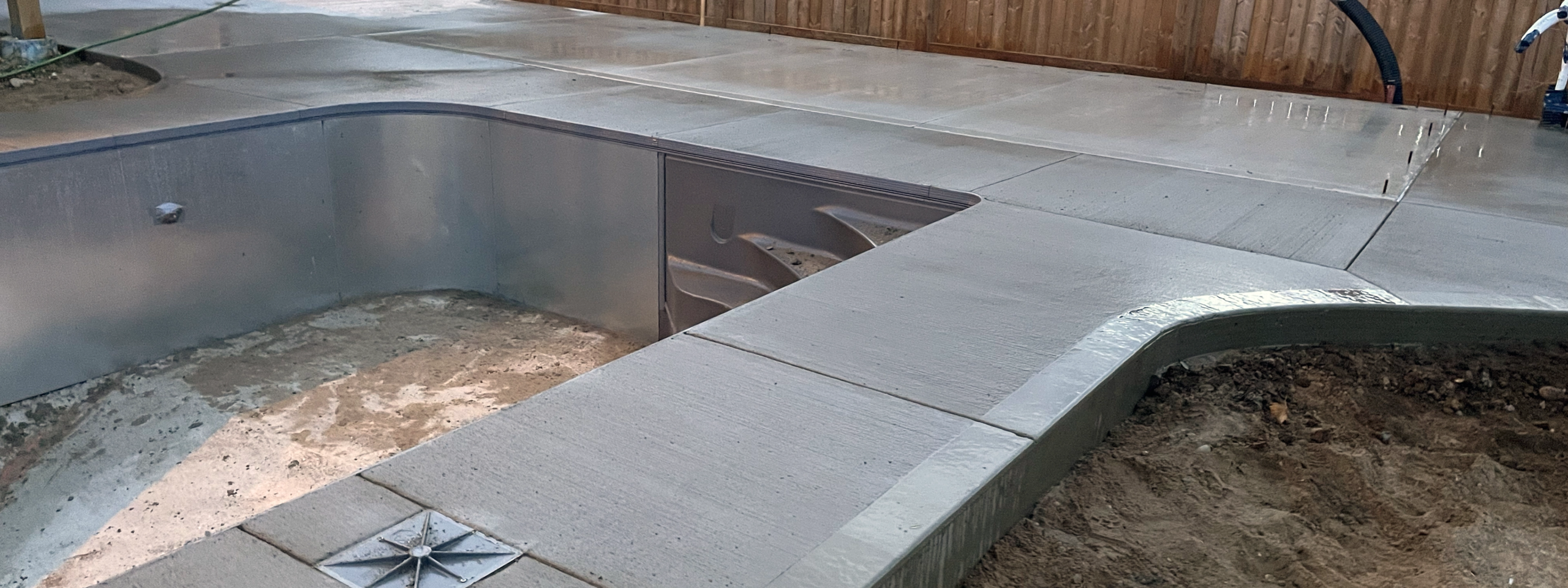
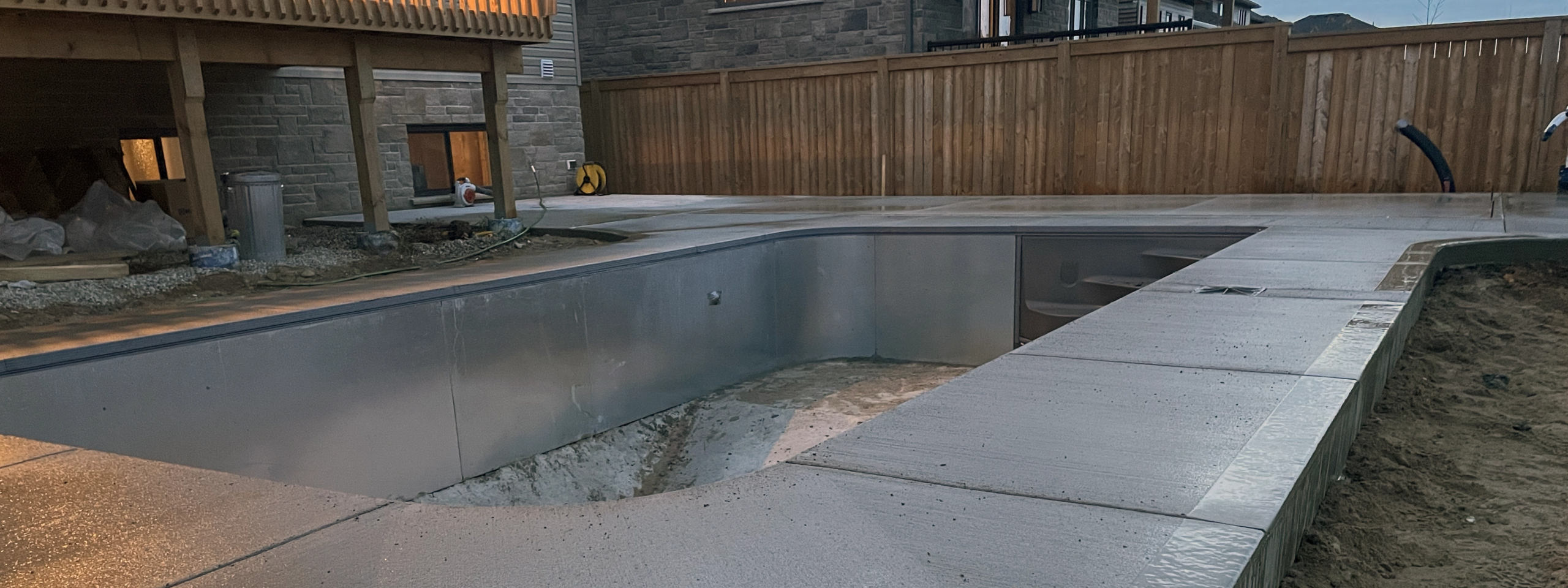
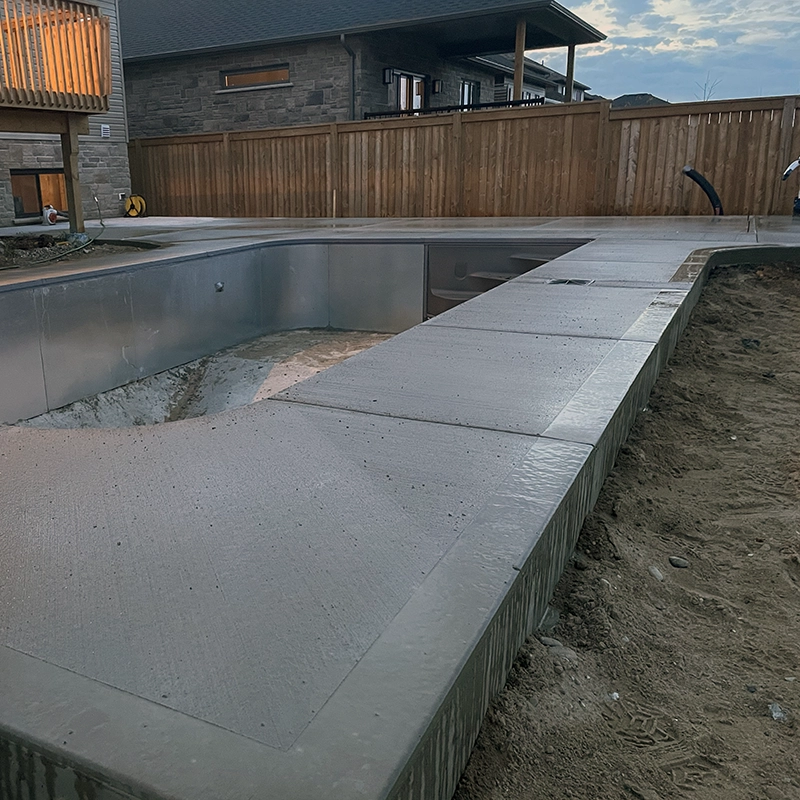
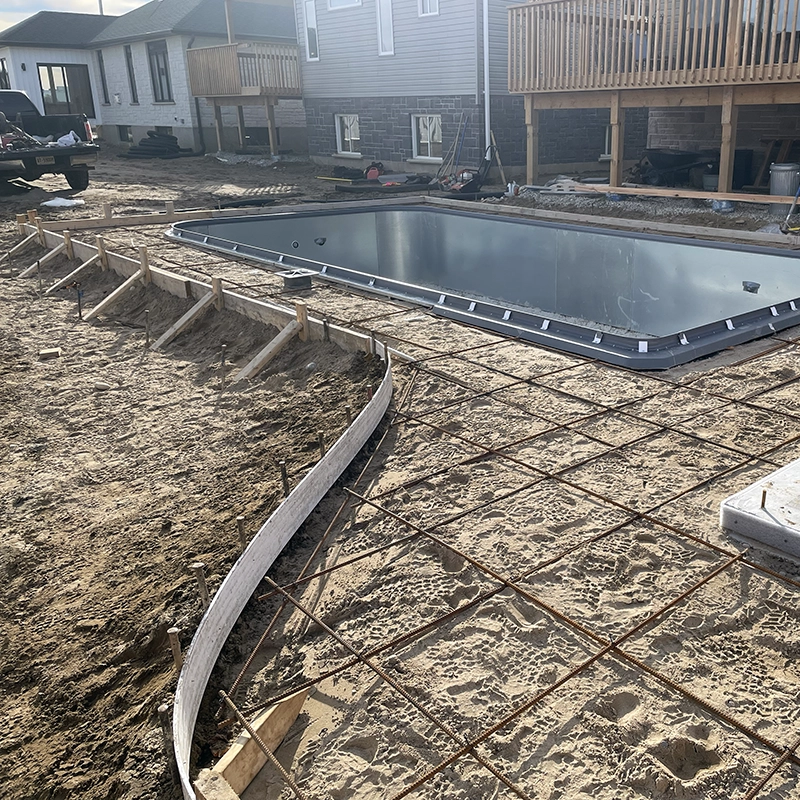
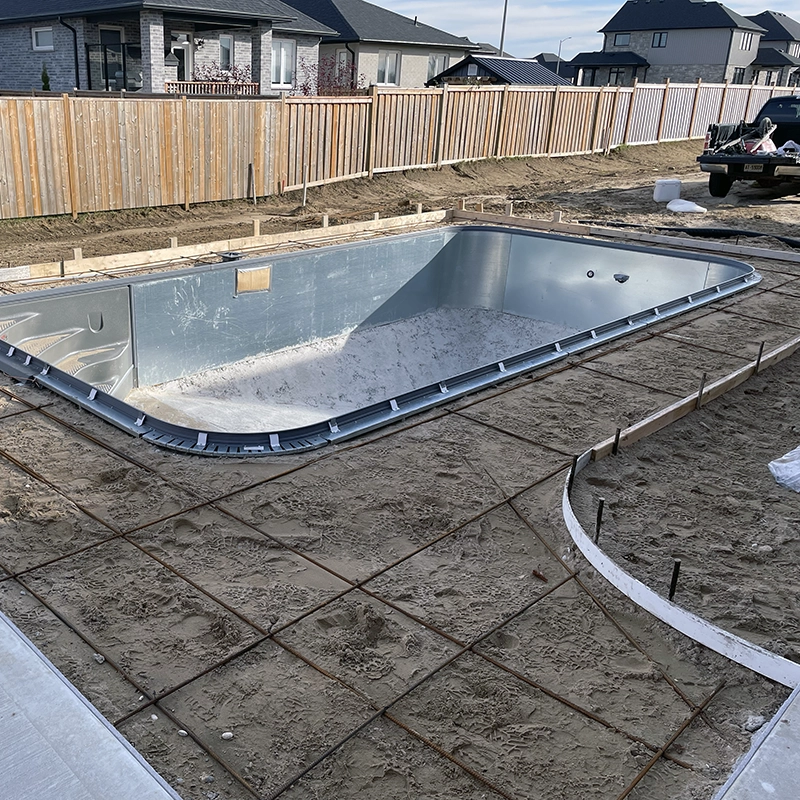
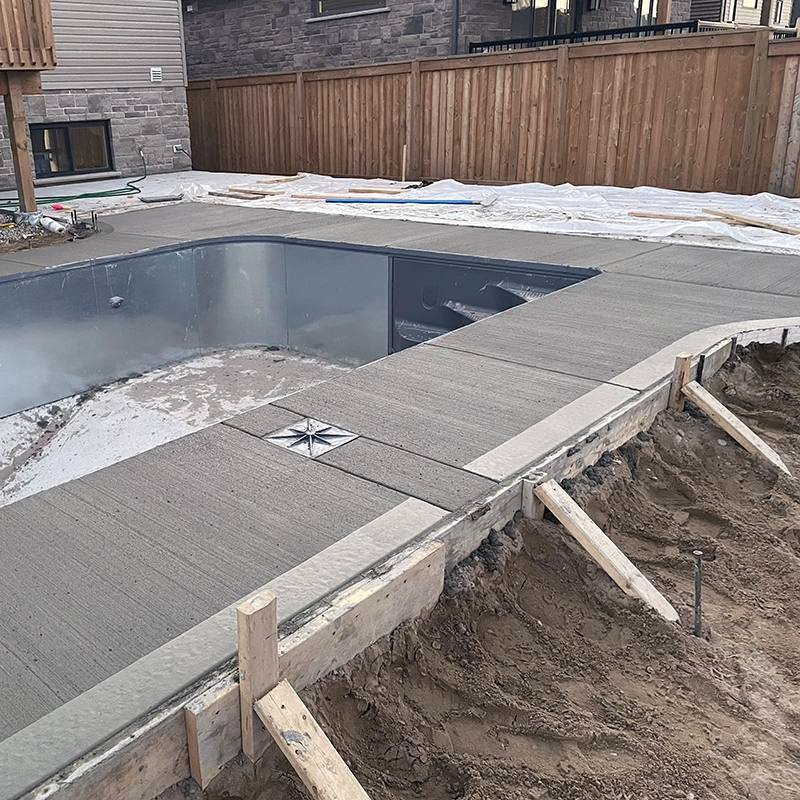
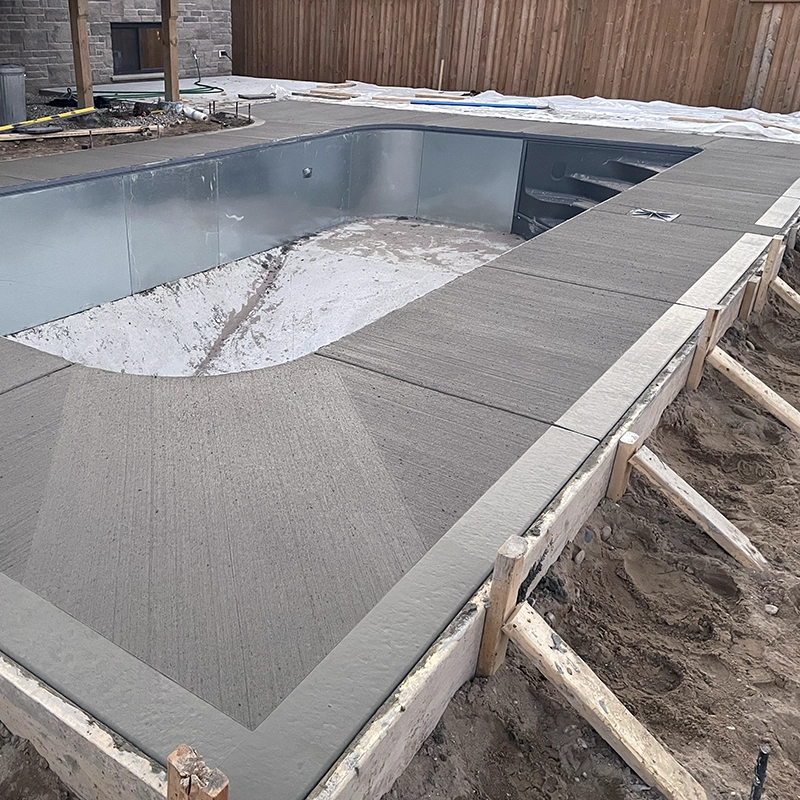
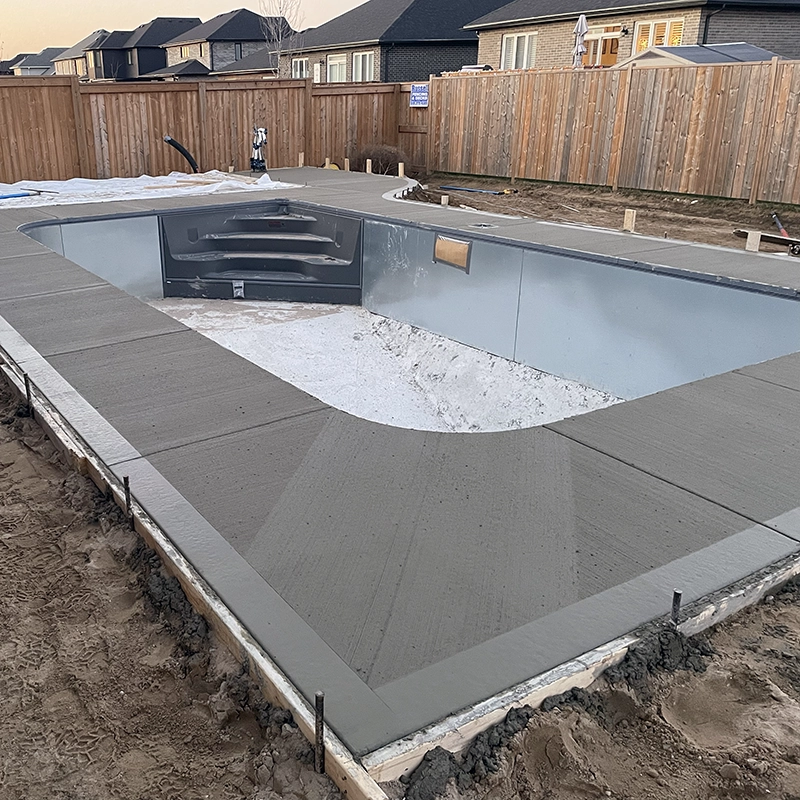
When you look at a beautiful, finished patio, you’re seeing the concrete. But as a professional concrete team, we are looking at what’s underneath it. One of the most critical steps we take at Sons Concrete before we ever mix a single bag of cement is laser level grading.
If your slab doesn’t have the perfect slope, water will pool, freeze, and expand. That is how cracks are born.
What is Laser Level Grading?
A laser level is a precision tool that projects a perfectly horizontal (or sloped) beam of light across the entire worksite.
Instead of relying on a “good eye” or a standard string line, we use this tool to calculate the exact elevation across the entire footprint of your project. This allows us to achieve two things that are impossible to do by hand:
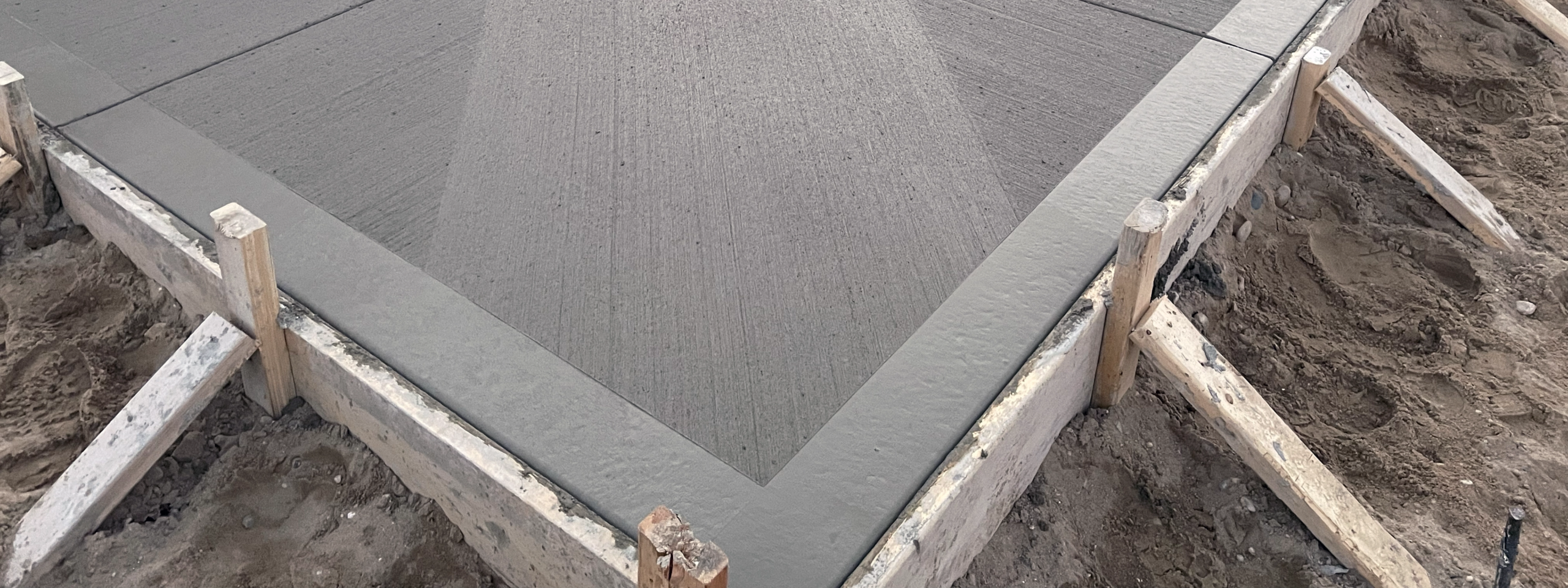
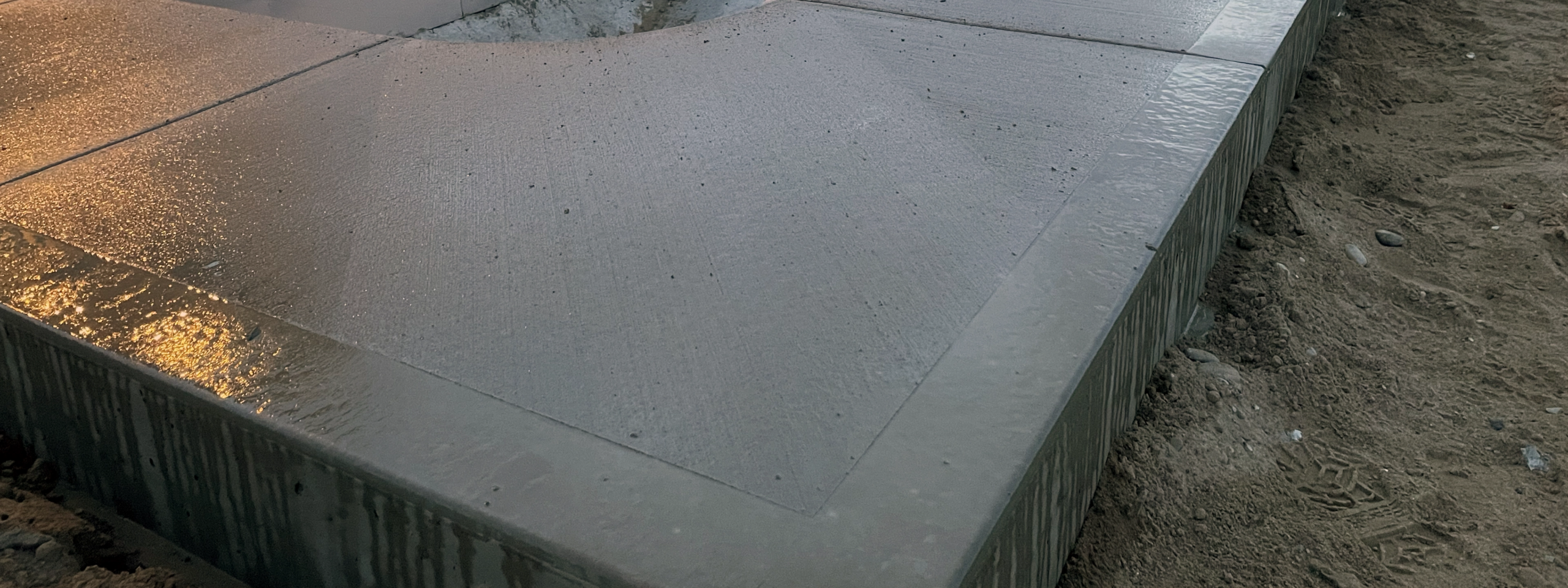
Uniform Thickness: We ensure the concrete slab is the exact same thickness everywhere. If one corner is 4 inches thick and another is 2 inches thick, the slab will crack under stress.
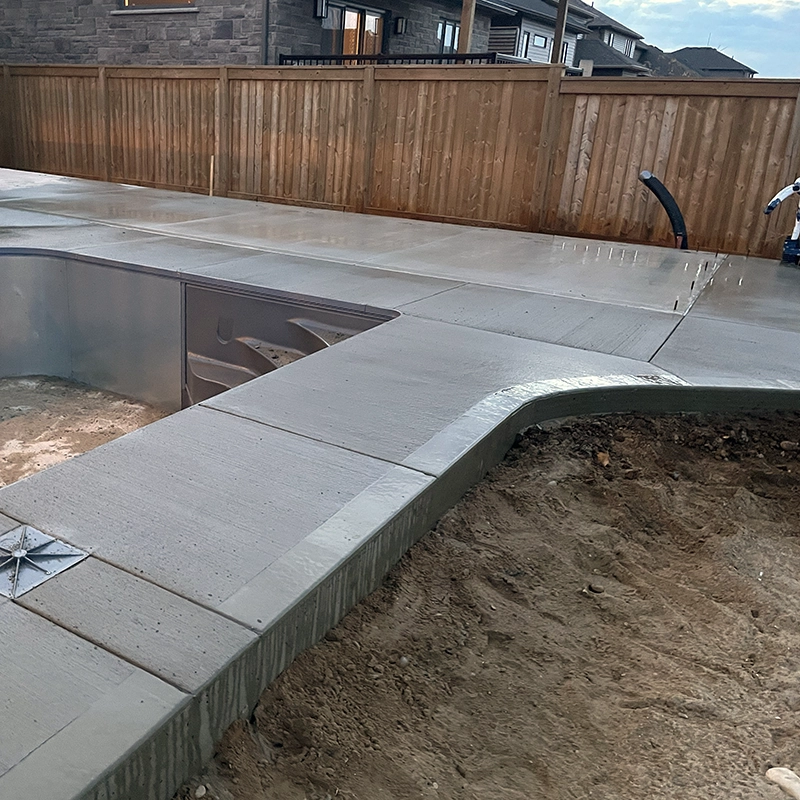
Positive Drainage: We can set a precise slope (usually 1/8 to 1/4 inch per foot) that guides water away from your foundation and toward the yard. If the water can’t get away from your house, it will inevitably find its way into your foundation walls.
Why “Good Enough” Isn’t Good Enough
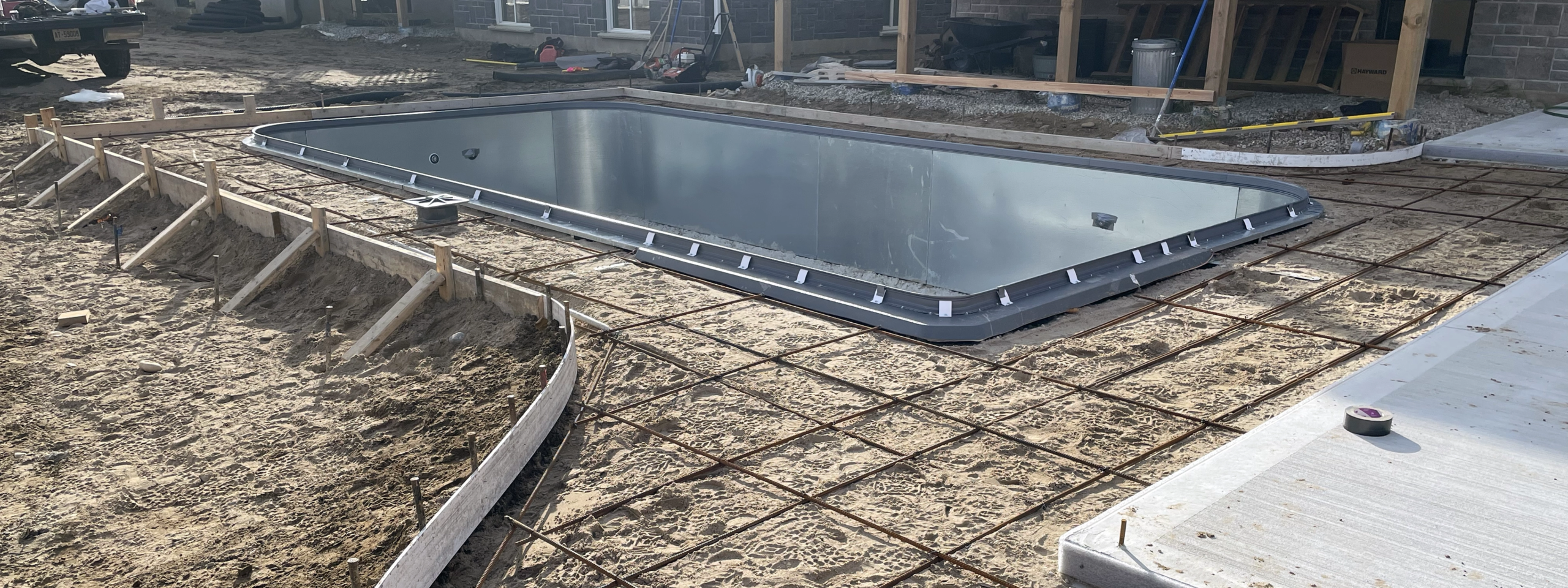
Many contractors skip the laser level in favor of basic eye-balling. The result? A “birdbath” effect—puddles that sit on your patio or driveway all spring long. By the time that water freezes in November, it is pushing against the concrete, weakening the structure and leading to premature crumbling.
Q: Why choose concrete over wood for a boat dock?
A: Concrete offers unmatched stability and longevity. Unlike wood, which rots, warps, or requires frequent staining and maintenance, a properly engineered concrete dock can last for decades with virtually no maintenance.
Q: Do you seal the dock after the pour?
A: Yes. In a waterfront environment, we recommend a high-quality, penetrating concrete sealer. This seals the pores of the concrete, preventing water from getting inside and protecting it against freeze-thaw cycles.
Q: How do you handle the ground prep near the water?
A: Soil near the water is often loose or unstable. We pay extra attention to our base preparation, often incorporating additional fill and proper compaction before we lay our rebar grid. This ensures your dock won’t settle unevenly over time.