
Why Your Concrete Driveway Cracks:
The Science of Jointing and Prep
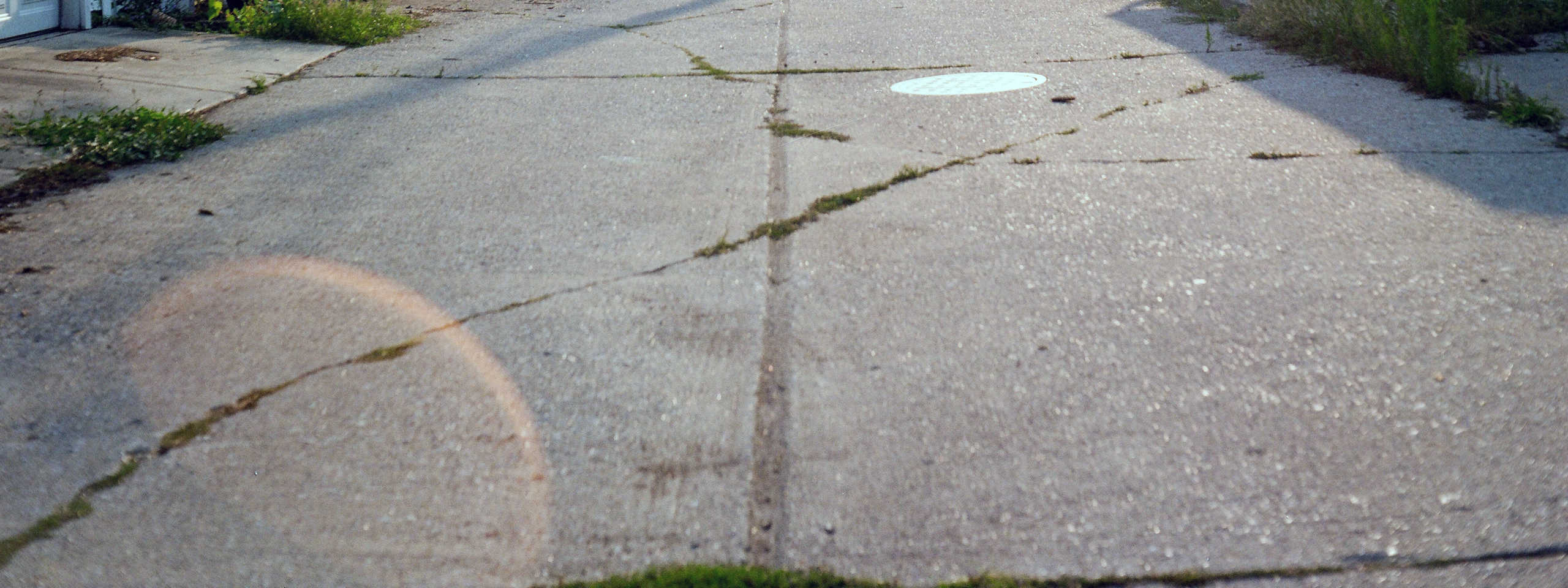
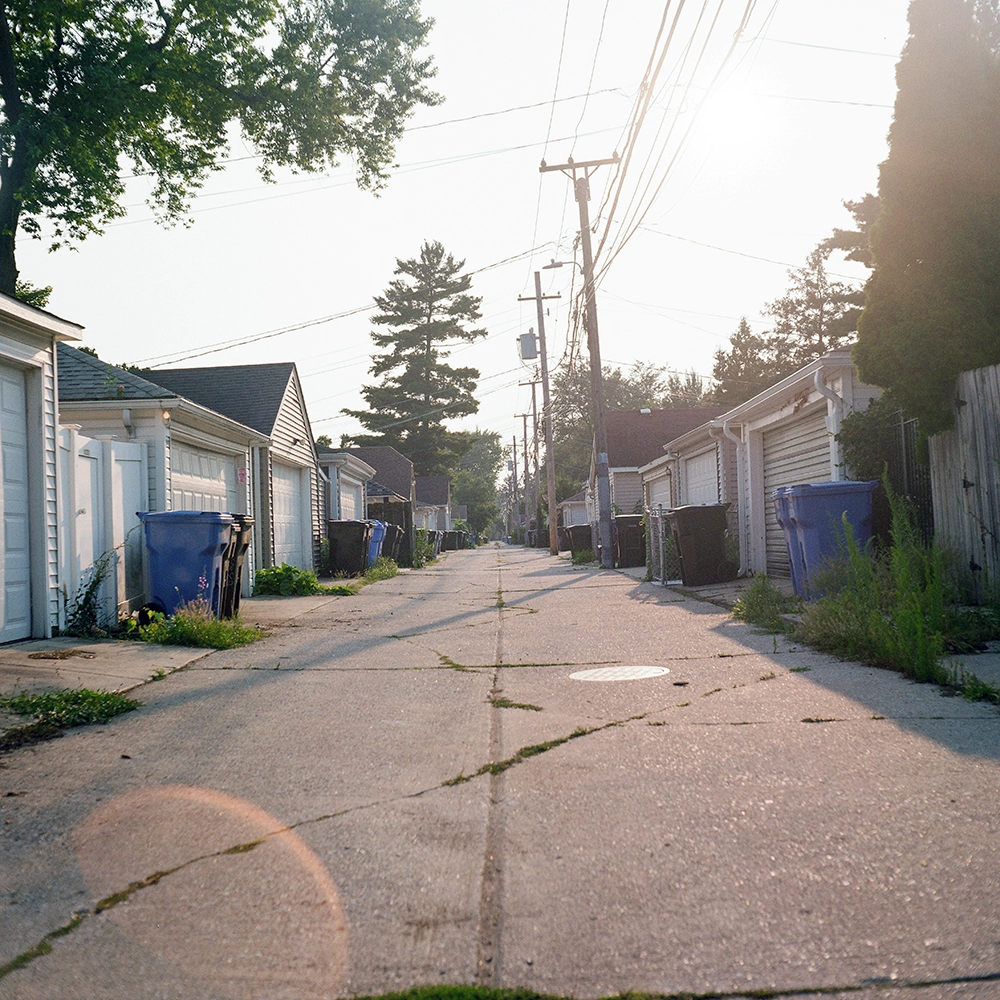
If you own a home in Ontario, you know the drill. You pour a beautiful new driveway, and within a few years—or even a few months—you start seeing spiderweb cracks or long, jagged lines running right across the surface.
It is frustrating, but it isn’t always “bad luck.” Most of the time, it comes down to how the concrete was prepped to handle the natural movement of the ground.
Why Concrete Moves
Concrete is a heavy, rigid material, but the ground underneath it is always shifting due to moisture changes and our intense freeze-thaw cycles. When the ground moves, the concrete has to move with it. If we don’t give that concrete a specific “path” to follow, it will crack wherever it feels like—which is usually right in the middle of your driveway.
Want a driveway that stands the test of time?
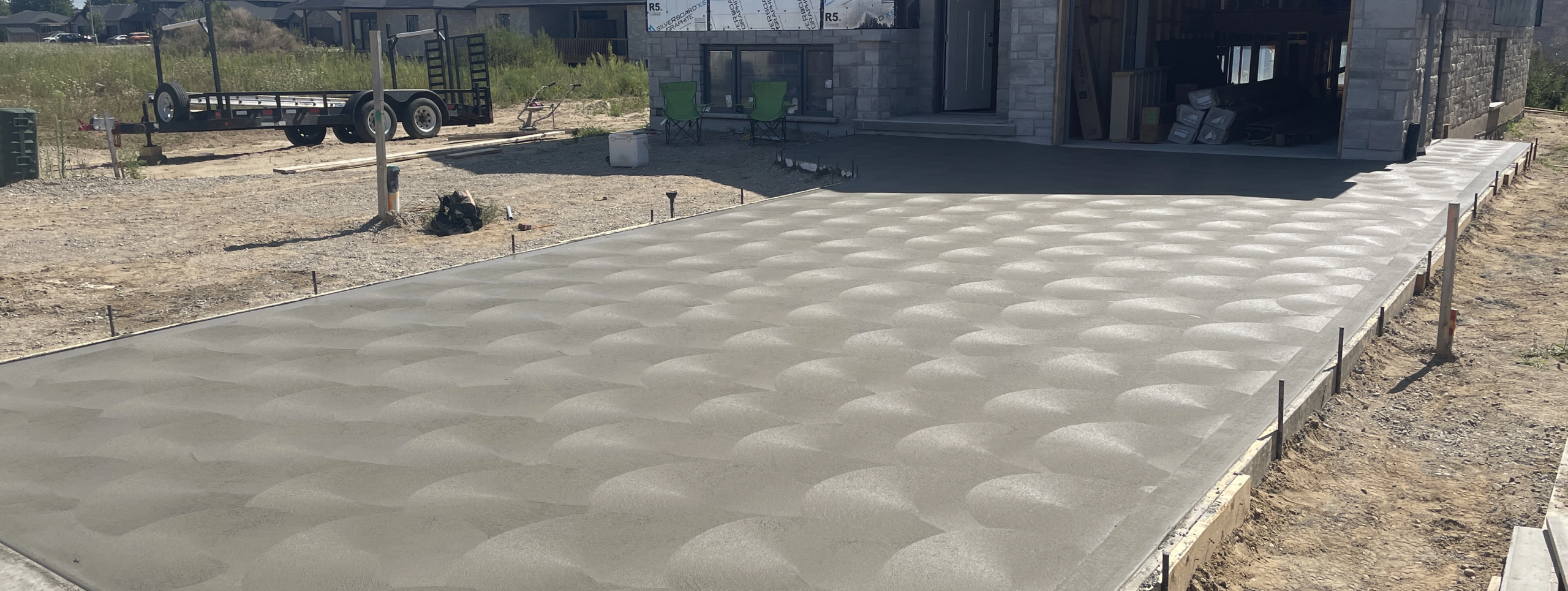
We believe in doing the job right the first time so you aren’t stuck with repair bills five years down the road.
Ready to get started on your project?
Q: Why does my concrete driveway have cracks in it already?
A: Most concrete cracking is caused by the ground shifting underneath due to moisture, soil composition, or the extreme freeze-thaw cycles we experience here in Ontario. If the slab wasn’t reinforced with rebar or if the joints weren’t placed correctly to guide the movement, the concrete will naturally crack in weak spots.
Q: What is the difference between a hand-tooled joint and a saw-cut joint?
A: A hand-tooled joint is created while the concrete is still wet, making it a very durable and traditional finish. A saw-cut joint is created with a diamond-blade saw the day after the pour; this results in a much sharper, narrower, and more modern-looking line that is ideal for high-end driveways and patios.
Q: Do you use wire mesh or rebar?
A: We prioritize heavy steel rebar reinforcement. While wire mesh is sometimes used in residential concrete, it often sits too low in the slab to provide actual structural strength. Rebar provides the “bones” the concrete needs to handle the weight of vehicles without sagging or cracking.
Q: How long does a typical driveway project take from prep to finish?
A: Every project is unique, but our focus is on efficiency without sacrificing quality. From the initial laser level grading and site prep to the final pour and finishing, we provide a clear timeline during your estimate so you know exactly when your driveway will be ready for use.